
As we welcome a Happy New Month, November stands as more than just another page on the calendar. Across Africa, it carries deep significance, signifying change, renewal, and gratitude. From Ghana to Kenya and beyond, November is marked by festivals, communal gatherings, and ceremonies that reflect Africa’s heartbeat of tradition and unity.
The phrase Happy New Month echoes across African homes, mosques, churches, and communities at the start of each month. It’s a greeting filled with hope, faith, and a sense of continuity; an African way of saying, we begin again together.
Below, we explore how different African cultures and tribes celebrate the spirit of November through their unique traditions.
1. The Anlo Ewe of Ghana: Hogbetsotso Festival
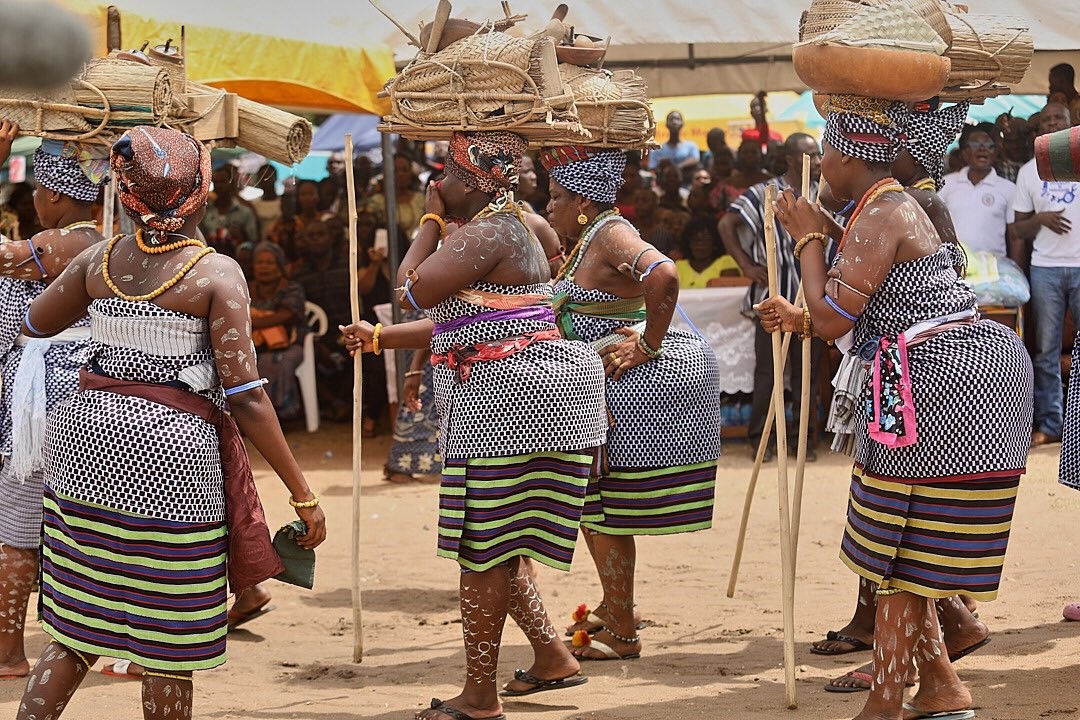
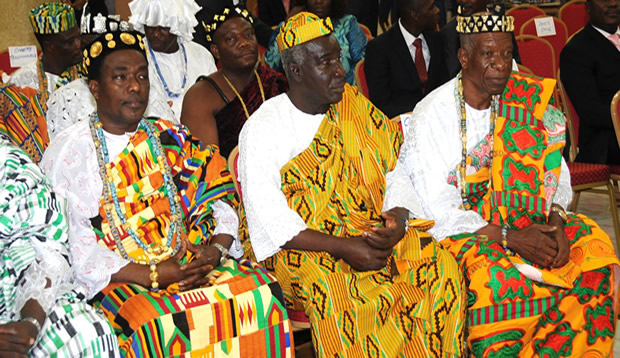
Among the Anlo Ewe people of Ghana’s Volta Region, the Happy New Month of November begins with the revered Hogbetsotso Festival. Held on the first Saturday of November, this ceremony commemorates the migration of the Ewe people from Notsie in present-day Togo.
The week-long festival is marked by peace-making rituals, traditional drumming, and dance performances symbolizing freedom and unity. Elders recount ancestral stories, while chiefs hold a durbar that showcases the community’s pride and continuity.
This celebration transforms November into a period of renewal and reconciliation, a collective reminder that every new month is a time to honor history and build harmony for the future.
2. The Maasai of Kenya and Tanzania: The Maa Cultural Festival
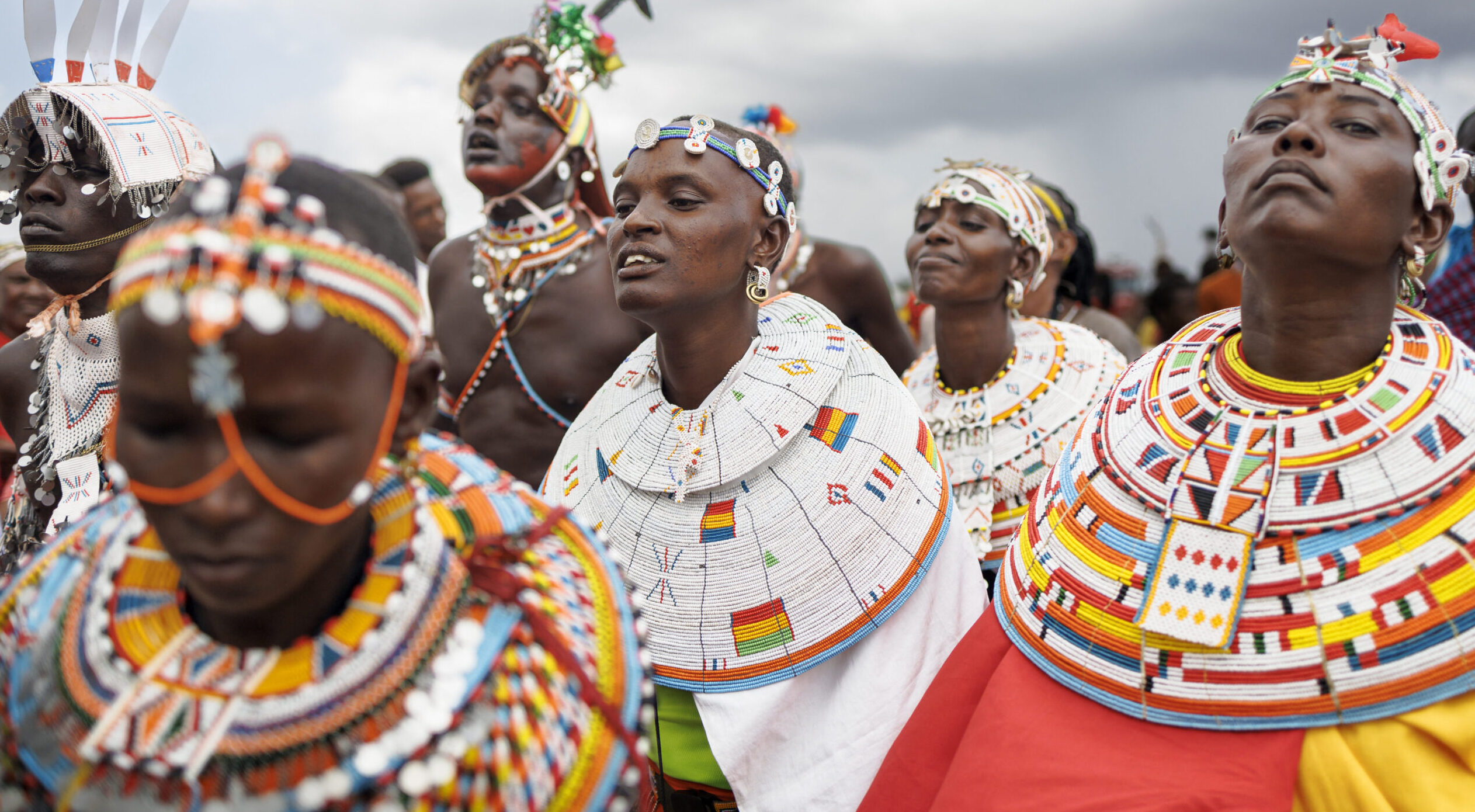
Among the Maasai people, the Maa Cultural Festival held in November has become a beacon of cultural preservation. It brings together communities from Kenya and Tanzania to celebrate traditional music, attire, and heritage.
For the Maasai, saying Happy New Month resonates deeply, it’s a declaration of survival, pride, and unity. The festival also encourages intergenerational dialogue, where young Maasai learn from elders about the rituals that shaped their identity.
November, for the Maasai, is not just a month but a moment to reconnect with land, language, and legacy.
3. The Fulani (Fula) Across West Africa: Dewgal Festival
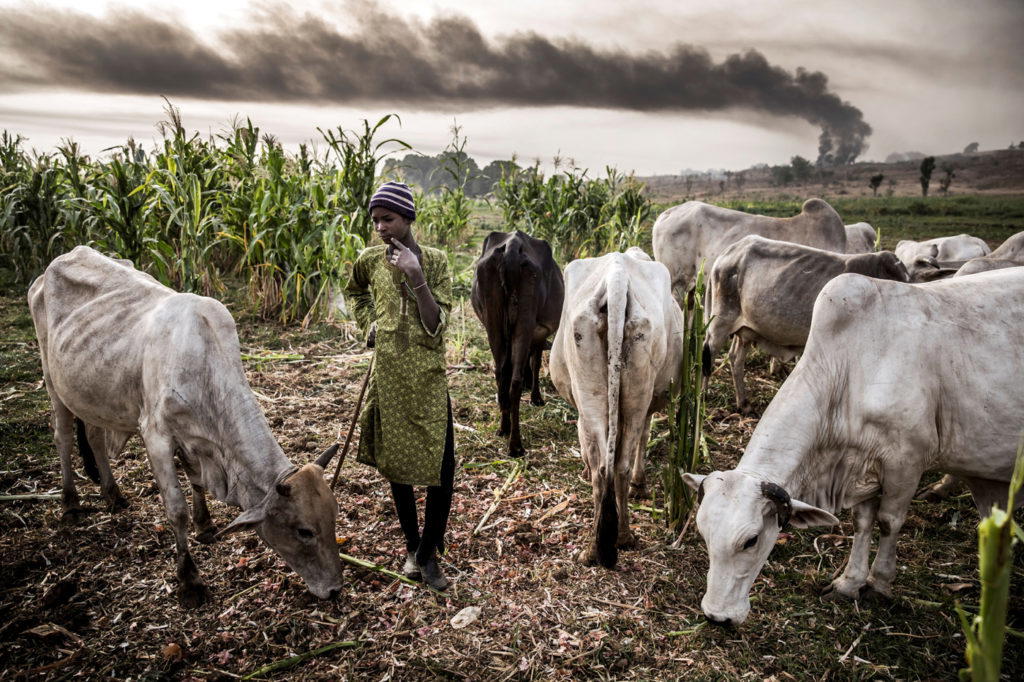
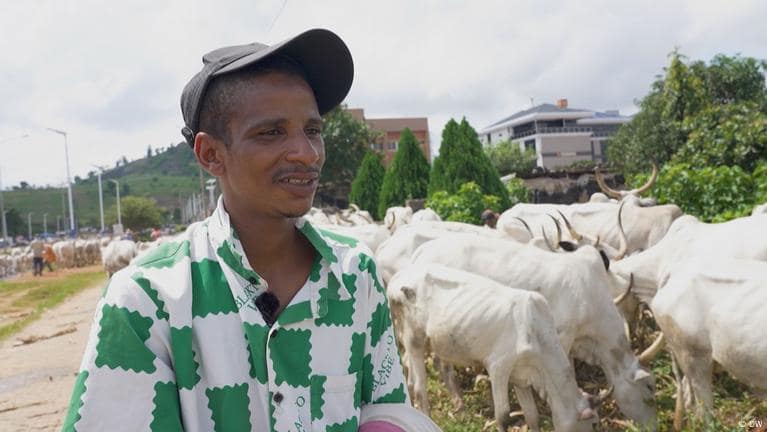
In many Fulani communities, the Dewgal Festival signals the end of the rainy season, usually in November or December. It marks the return of herds to home pastures after months of migration.
As they say Happy New Month, the Fulani give thanks for successful journeys, abundant grasslands, and safe returns. The festival includes songs praising cattle, storytelling, and communal meals that strengthen bonds.
This pastoral rhythm highlights the cyclical relationship between humans, nature, and faith. A recurring African motif of renewal that fits perfectly with the idea of a new month and fresh beginnings.
4. Mombasa Carnival, Kenya: Coastal Celebration of Culture
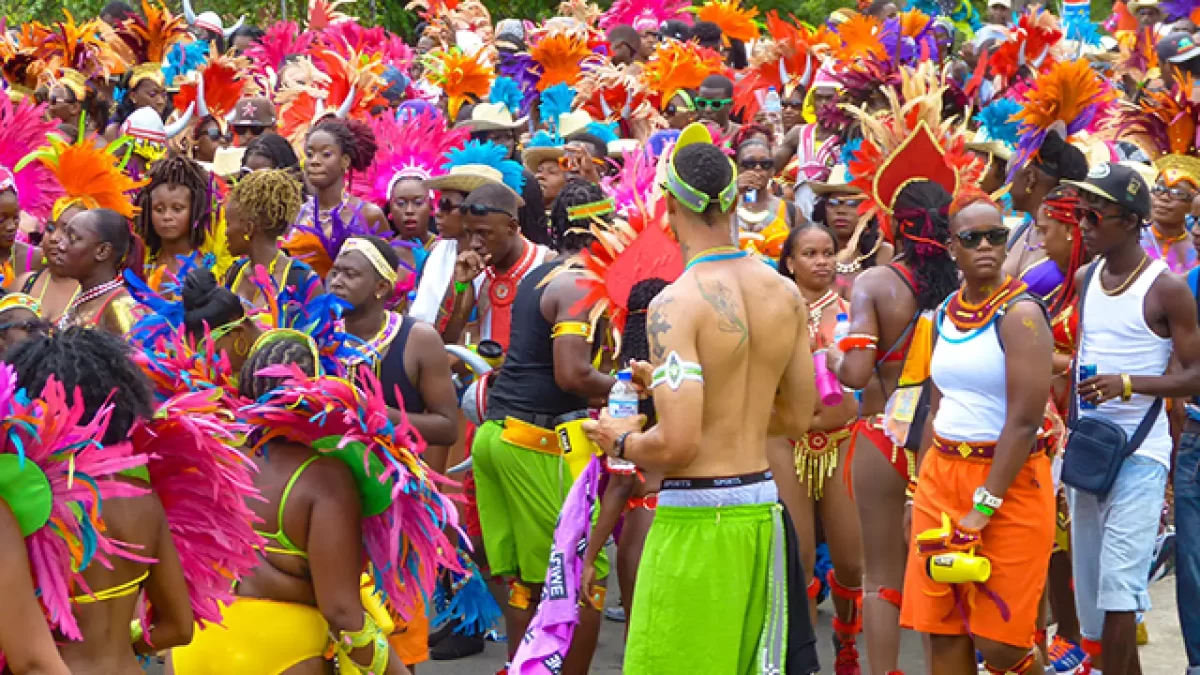
On the Swahili coast, November comes alive with the Mombasa Carnival, Kenya’s largest cultural parade. Streets fill with floats, dancers, and bands representing Kenya’s diverse ethnic groups.
The festival expresses the spirit of Happy New Month by embracing diversity and progress. It reminds participants that cultural pride and urban modernity can coexist. Tourists and locals gather to celebrate Swahili heritage, enjoy coastal foods, and dance to traditional Taarab music.
This annual event also boosts local tourism, blending art, culture, and economic renewal as the year draws to a close.
5. Vodun Festival, Benin: Ancestral Renewal

In Benin, November leads into preparations for the Vodun Festival, a powerful celebration of spirituality and ancestral connection. Communities gather to honor the spirits through music, dance, and sacred rituals.
Saying Happy New Month in this context symbolizes spiritual awakening. It’s a way to express gratitude to ancestors for guidance and protection, reaffirming that each new month is a continuation of divine connection.
The Vodun ceremonies also attract global visitors, creating a dialogue between traditional religion and modern identity.
Pan-African Reflections on November
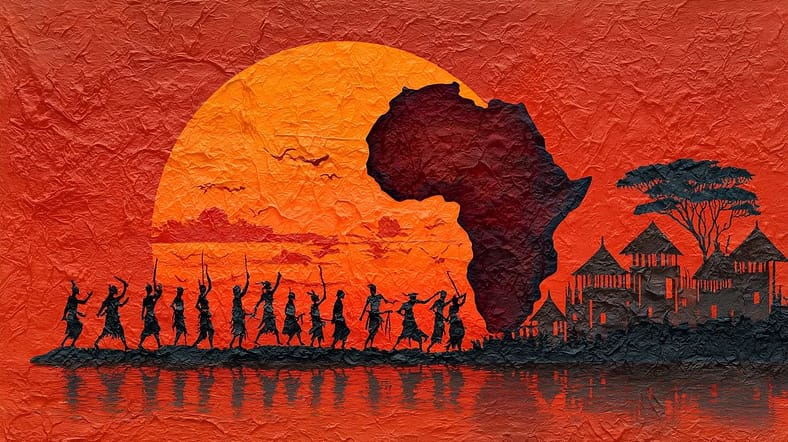
Across Africa, November stands as a bridge between the old and the new; a time to pause, give thanks, and look forward. From the Maasai plains to the Volta Region and coastal Kenya, communities echo the spirit of Happy New Month in their own unique ways.
Whether through ancestral remembrance, peace-making, or public celebration, November symbolizes renewal. It’s a reminder that cultural heritage continues to thrive, adapting with time while retaining its core values.
These traditions not only unite Africans across regions but also inspire a deeper appreciation for identity, continuity, and collective joy.
FAQs
1. Why is November important in African traditions?
November often marks seasonal transitions, harvest conclusions, and festivals of gratitude across Africa.
2. What does “Happy New Month” mean in African culture?
It’s a heartfelt greeting wishing blessings, renewal, and positive beginnings, used widely across countries and faiths.
3. Which African festivals are held in November?
Notable ones include the Hogbetsotso (Ghana), Maa Cultural Festival (Kenya), and Mombasa Carnival (Kenya).
4. Do African tribes have traditional names for November?
Some do, though many identify the month by key agricultural or cultural events instead of Western calendar names.
5. How can I experience these November festivals?
Travel during November to Ghana, Kenya, or Benin. Learn from locals and attend community celebrations for authentic experiences.
6. Why is renewal a common theme in these festivals?
Because it reflects Africa’s deep connection to nature’s cycles, emphasizing gratitude, continuity, and hope.
Conclusion
The message of Happy New Month resonates powerfully across African cultures. Whether expressed through ritual dances, communal meals, or words of blessing, it carries a spirit of gratitude and renewal.
As November unfolds, it invites Africans and the diaspora alike to reflect on their roots and celebrate the shared rhythm of tradition and change.
