


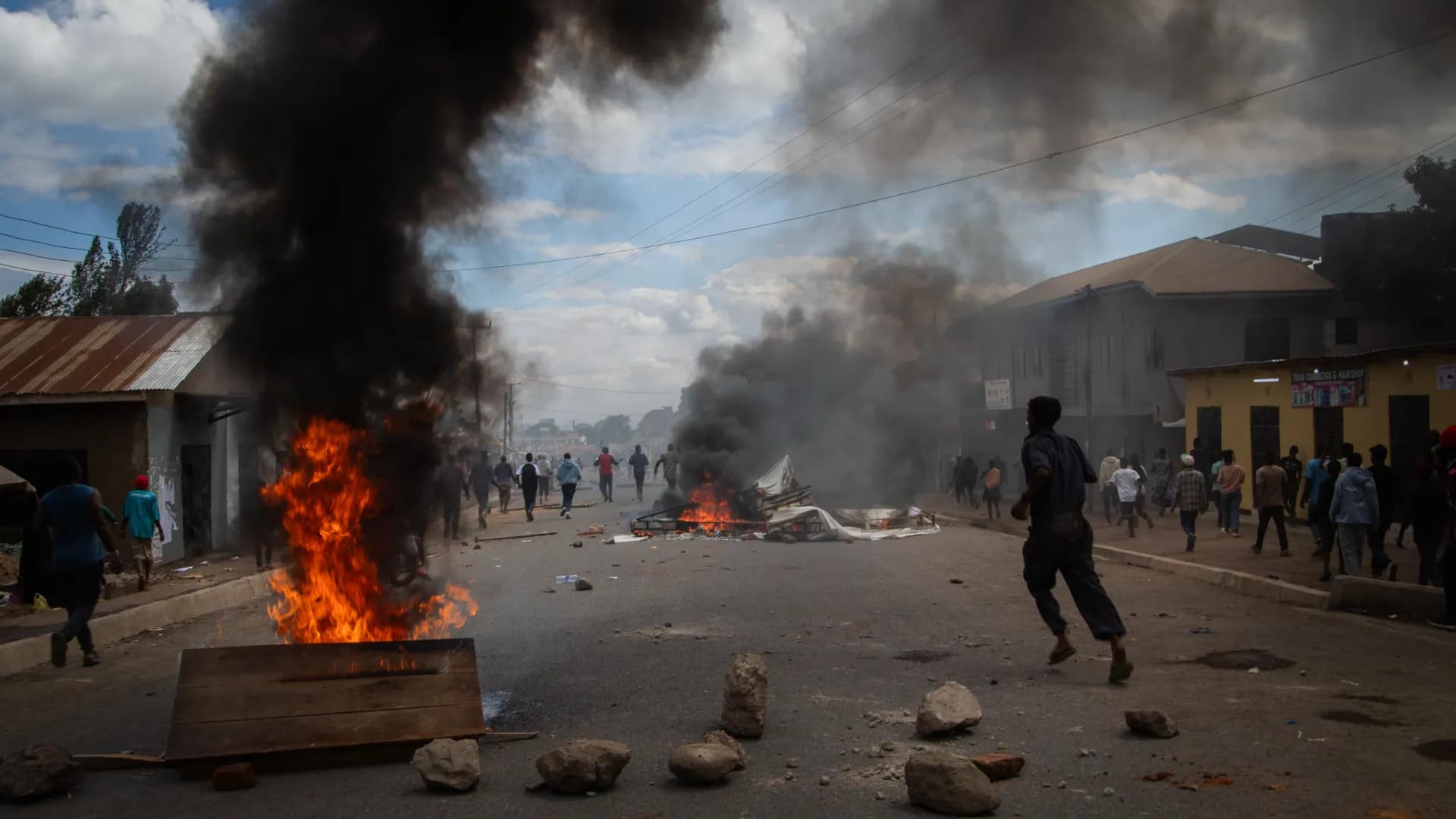
Tanzania is facing growing unrest following the announcement of its 2025 general election results, which have been rejected by opposition leaders amid widespread allegations of irregularities and a heavy security crackdown.
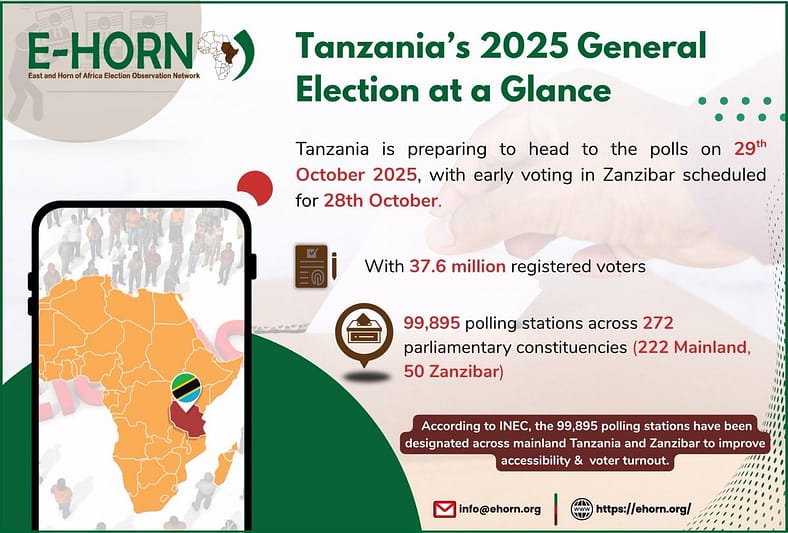
The National Electoral Commission on Tuesday declared incumbent President Samia Suluhu Hassan the winner, extending the ruling party’s long-standing grip on power. However, opposition figures have accused the commission of bias, claiming that vote counts were manipulated in several key regions.
Protests erupted shortly after the official results were released, with demonstrators taking to the streets in major cities including Dar es Salaam, Arusha, and Mwanza. Security forces have been deployed nationwide, enforcing curfews and dispersing crowds with tear gas and rubber bullets.
Local sources report intermittent internet shutdowns, restricting access to social media platforms and messaging services. Human rights groups have expressed concern over reports of mass arrests and injuries among protesters.
“We are calling for calm, but the people deserve transparency,” opposition leader Tundu Lissu said during a brief press conference before authorities reportedly revoked the event’s permit. “The integrity of our democracy is at stake.”
Government officials, however, have defended the election process, describing it as “peaceful, transparent, and credible.” A government spokesperson urged citizens to “respect the rule of law and the will of the people,” warning that unlawful gatherings would not be tolerated.
International reactions have been swift. The African Union has called for dialogue between all parties, while the United Nations has urged restraint and respect for fundamental rights. Several Western embassies in Dar es Salaam have advised their citizens to avoid large gatherings.
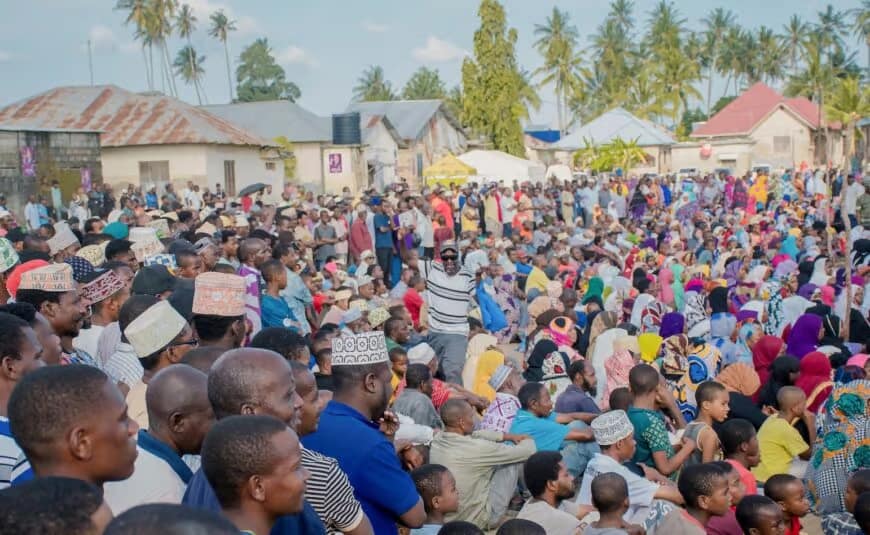
As tension continues to rise, the situation remains fluid, with fears that prolonged unrest could destabilize one of East Africa’s most politically significant nations.
Afrikaanspective Context
Tanzania’s political landscape has long been viewed as a barometer for stability in East Africa. The ongoing crisis underscores the fragile balance between authority and accountability in emerging democracies across the continent.
