


Washington D.C., November 5, 2025
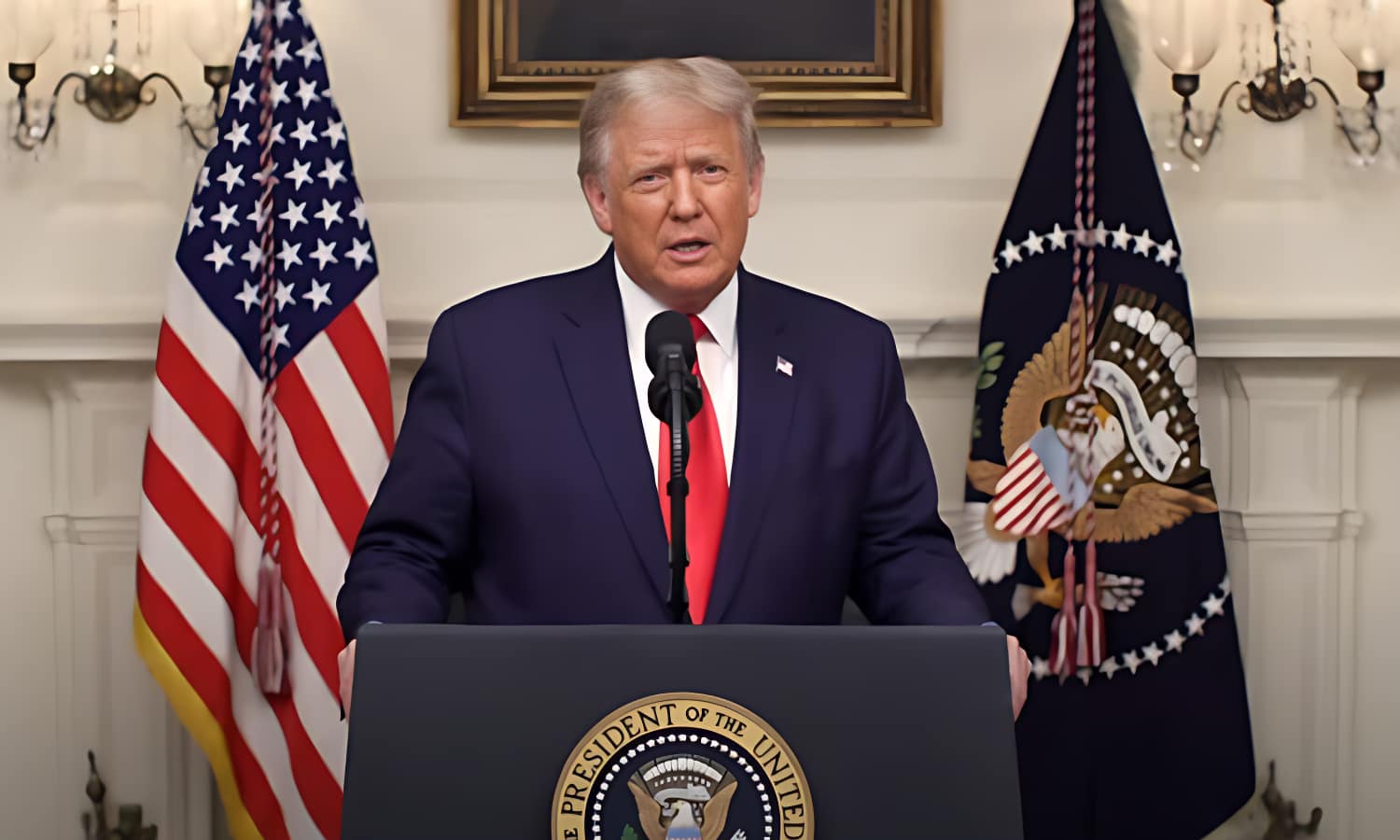
In a live broadcast from the White House on Wednesday night, U.S. President Donald Trump delivered one of his sharpest messages yet to Nigeria, declaring that “Christianity is facing an existential threat” and warning that America “will not stand by” while such violence continues.
The address, streamed on official White House channels and titled “Christianity Is Facing an Existential Threat in Nigeria,” has since gone viral, drawing widespread attention and criticism across Africa and the global media space.
“The United States cannot stand by while such atrocities are happening there,” Trump said firmly.
“If Nigeria continues to allow the killing of Christians, we will immediately stop all aid and assistance. If we attack, it will be fast, vicious, and sweet, just like the terrorists who attack our cherished Christians.”
🎥 Christianity Is Facing an Existential Threat in Nigeria — The White House
A Message with Global Ripples

Trump’s speech marks the third time in a week he has publicly mentioned Nigeria, but this address carried more urgency.
According to the U.S. president, the violence in Nigeria has reached what he called a “breaking point,” claiming that Christians are “being slaughtered in large numbers by radical elements.”
He further announced that the United States Department of Defense had been instructed to prepare “possible military options” to intervene if the Nigerian government does not “take immediate and decisive action.”
“The world has watched long enough,” Trump added. “Our Christian brothers and sisters in Nigeria will not be abandoned.”
The message triggered strong reactions globally, from praise among Trump’s evangelical supporters to concern among African diplomats who see it as a dangerous precedent for U.S. involvement in regional conflicts.
Nigeria’s Initial Reaction
While no official televised response came immediately after the White House release, aides from President Bola Ahmed Tinubu’s administration described the statement as “misguided and based on outdated intelligence.”
A Nigerian diplomat told Afrikaanspective early Thursday that the government “remains focused on internal solutions to insecurity” and will “not respond emotionally to foreign threats.”
Sources also confirmed that Nigeria’s embassy in Washington has requested a clarification meeting with U.S. officials in the coming days to discuss the remarks and potential diplomatic implications.
Background and Tensions
Nigeria, Africa’s most populous nation, has struggled for years with extremist violence from groups like Boko Haram and ISWAP, as well as rising banditry in the northwest.
Although Christian communities have suffered severe attacks, security analysts say Muslims, farmers, and rural populations of all faiths have also been targeted.
The White House framing of the crisis as strictly “Christian persecution,” however, has drawn criticism from observers who argue that it oversimplifies a deeply rooted and multi-layered conflict.
Nevertheless, Trump’s latest comments have placed Nigeria under renewed global attention, making the story trend across social platforms under the hashtag #TrumpOnNigeria.
Inside the White House Video
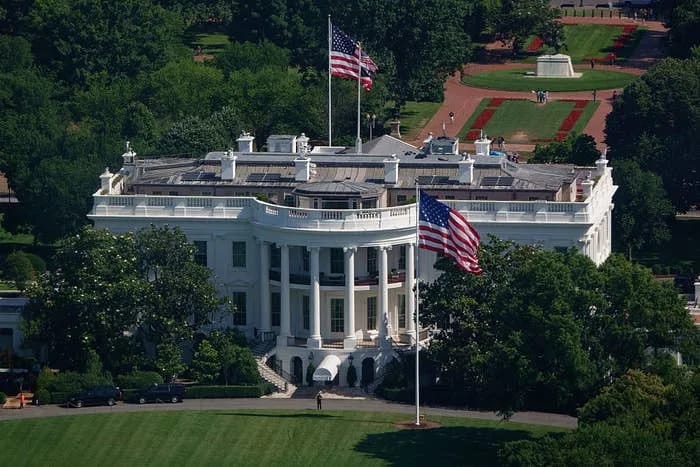
In a video released by the White House on November 5, 2025, President Trump declared that “Christianity is facing an existential threat in Nigeria,” and warned that the United States will not “stand by while such atrocities are happening there.”
He announced that the United States has designated Nigeria as a “Country of Particular Concern” under its religious-freedom policy and warned that Washington will immediately suspend aid if the Nigerian government fails to curb the killings of Christians, adding that the Department of Defence is preparing “possible action.”
Nigeria’s government responded by rejecting the portrayal of the violence as religious genocide, emphasising that the country remains committed to protecting all faiths and insists any assistance must respect its sovereignty and constitutional guarantees.
International Reactions
Diplomats from the African Union and ECOWAS have expressed unease at the tone of the U.S. leader’s message, describing it as “unhelpful at a time when Nigeria is seeking regional cooperation against terrorism.”
Analysts believe the move could complicate Nigeria’s growing financial partnerships with China, Turkey, and the Middle East, particularly following the recent $2.25 billion Eurobond launch announced this week, a signal that Nigeria is focusing on rebuilding investor confidence despite mounting global tension.
Conclusion
Trump’s November 5 White House speech has dramatically raised the temperature of U.S.–Nigeria relations.
What began as a social media statement has now evolved into a formal diplomatic flashpoint, forcing Nigeria to defend its sovereignty on the world stage.
It remains unclear whether Washington will move from words to action.
But one thing is certain, the phrase “Trump warns Nigeria” has now become one of the most discussed headlines across Africa and beyond.
